
12 months
Most popular$12.50
per month$149.99 for 12 months
Start free for 7 days

What happens in the nervous system in MS, why concentration, memory and speech can be affected too, and how you can practice in short sessions with nyra therapy.
MS looks different in every person. What many do not know: concentration, memory and speech can be affected too, and daily practice can be part of living well with MS.
almost 1 million
people in the United States live with MS
20–40 years
is the age at which symptoms usually begin
more than half
experience some change in cognitive function
Sources: National Multiple Sclerosis Society, Who Gets MS and Cognitive Changes (accessed 2026). National Institute of Neurological Disorders and Stroke (NINDS), Multiple Sclerosis (reviewed 2025).
Multiple sclerosis (MS) is a chronic disease of the central nervous system: the brain, the spinal cord and the optic nerves. The immune system mistakenly attacks the protective cover around the nerve fibers, the myelin.
Signal
Myelin wraps the nerve fiber like the insulation around a cable. Signals travel fast and arrive in full.
The sheath insulates the nerve fibers. With it, a fiber carries signals much faster than without.
Immune cells turn against the body's own myelin. Areas of inflammation form, in many places and at different times. Hence the name: multiple sclerosis, many scars.
The body can rebuild myelin. Over the years, though, scars remain, and the nerve fibers themselves are damaged too.
Simplified view. Sources: NINDS, Multiple Sclerosis (reviewed 2025); National Multiple Sclerosis Society, Types of MS (accessed 2026); Lubetzki et al., Lancet Neurology 2020.
Specialists describe MS by its course. These are the three main ones. Which one you have guides your medical care. Daily practice can have a place in each of them.
After each relapse, symptoms fade fully or in part. Some can remain.
about 85%
are first diagnosed with this form
Symptoms come in relapses: new or worsening symptoms that last at least 24 hours, often for days or weeks, and then fade fully or in part.
What this means for practice
Practice regularly in quiet phases. During a relapse, practice can pause: check with your care team when to start again.
Schematic view. Sources: National Multiple Sclerosis Society, Types of MS and Managing Relapses (accessed 2026); NINDS, Multiple Sclerosis (reviewed 2025).
Which symptoms appear depends on where in the nervous system the inflammation and damage occur. Much of it cannot be seen from the outside.
Lesions in the cerebrum can slow thinking down. People need longer to process information and tire more quickly.
This is where movement is fine-tuned. Lesions can make speech sound slurred or choppy and disturb balance.
For many people, a vision problem such as inflammation of the optic nerve is the first sign of MS. It usually occurs in one eye.
The pathways to the arms, legs and bladder run through the spinal cord. Lesions disturb sensation and strength.
Areas with exercises in nyra therapy
Simplified view. Sources: National Multiple Sclerosis Society, MS Symptoms (accessed 2026); NINDS, Multiple Sclerosis (reviewed 2025); Benedict et al., Lancet Neurology 2020.
nyra therapy is an app with more than 100,000 exercises for speech, language, memory, attention and everyday skills. You practice at home whenever it suits you, with exercise recommendations based on your personal needs.
Group conversations, reading or working at a screen take more effort. Thinking takes longer.
How you practice with nyra therapy
Exercises that call for quick recognition and sorting. You decide how long and how often you practice.
New things stick less well: appointments, names or what you were just about to do.
How you practice with nyra therapy
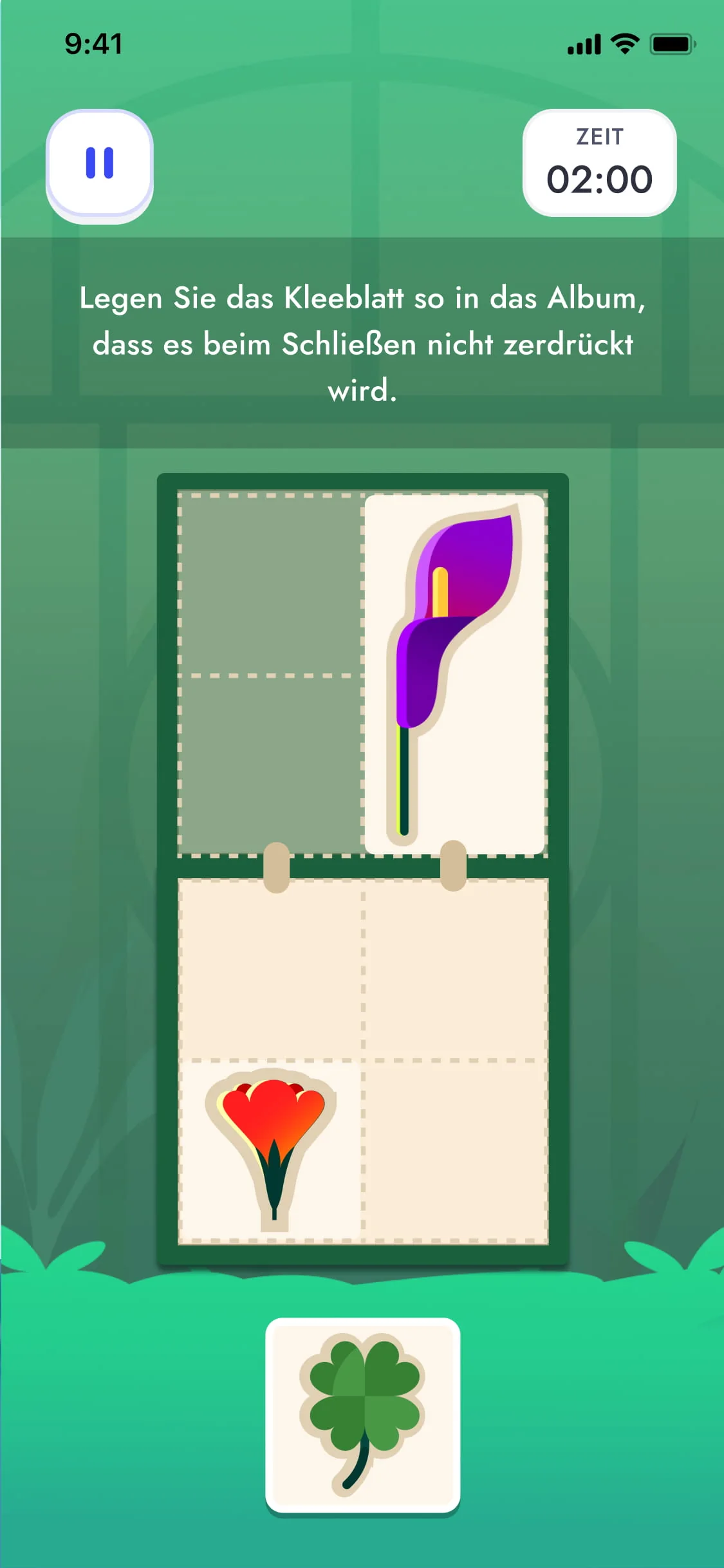
Memory exercises in small steps: take in, hold, repeat.
Keeping several things in view at once gets harder, at work and at home.
How you practice with nyra therapy
Exercises that call for thinking ahead: first consider, then act.
The right word is on the tip of your tongue and will not come.
How you practice with nyra therapy
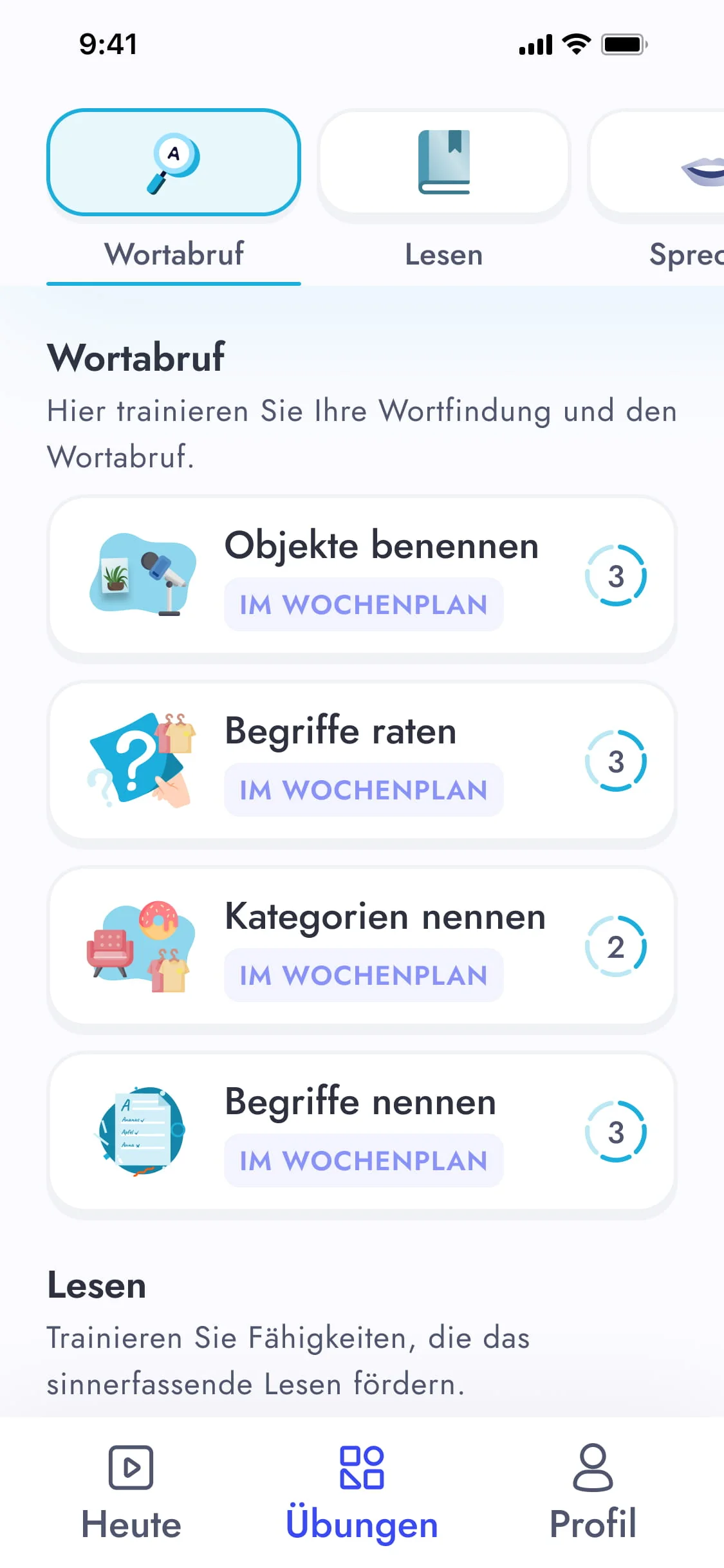
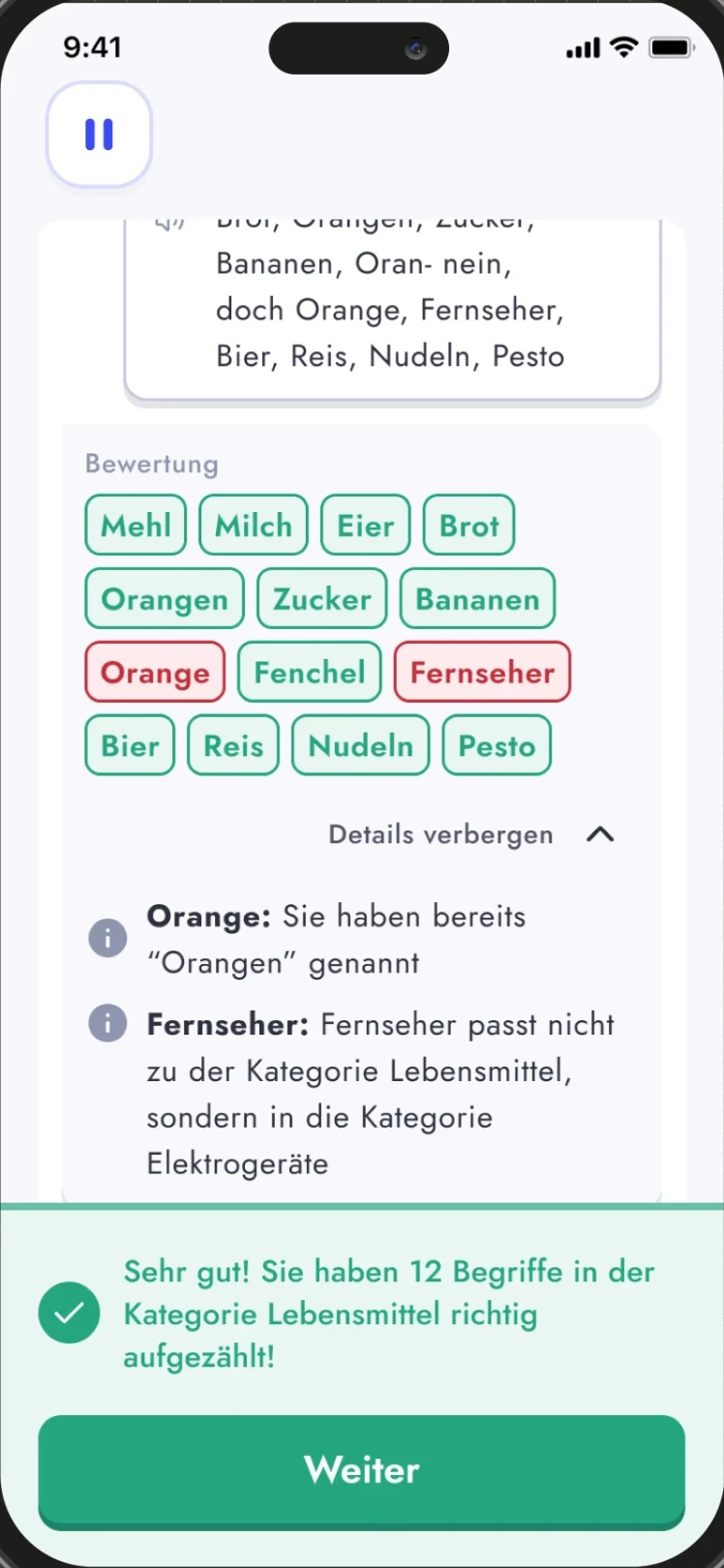
Naming objects, guessing words, listing categories: you answer out loud, and nyra therapy recognizes what you say.
Speech becomes slurred or halting, especially when you are tired.
How you practice with nyra therapy
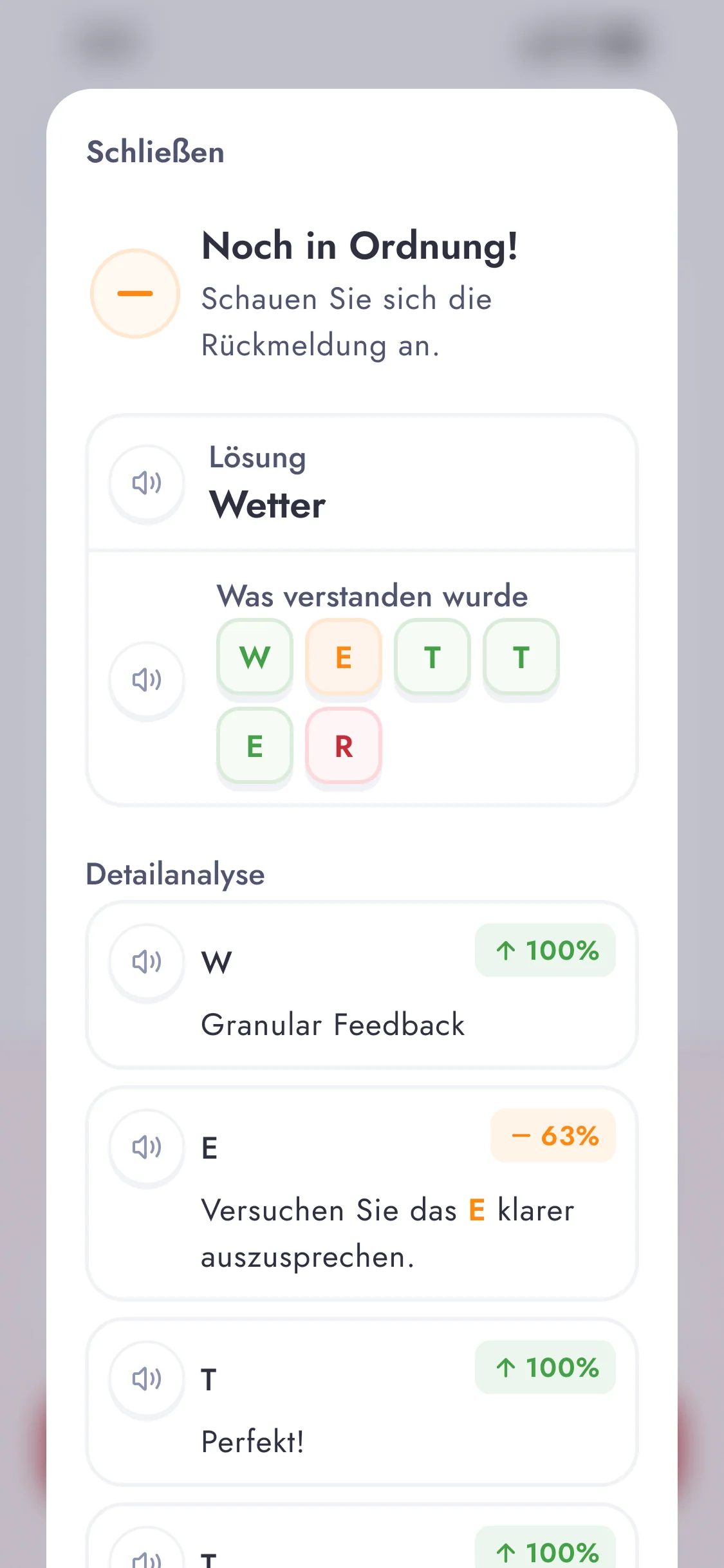
You say words and sentences aloud. nyra therapy listens and gives you real-time feedback, sound by sound.
Speed and concentration
Group conversations, reading or working at a screen take more effort. Thinking takes longer.
How you practice with nyra therapy
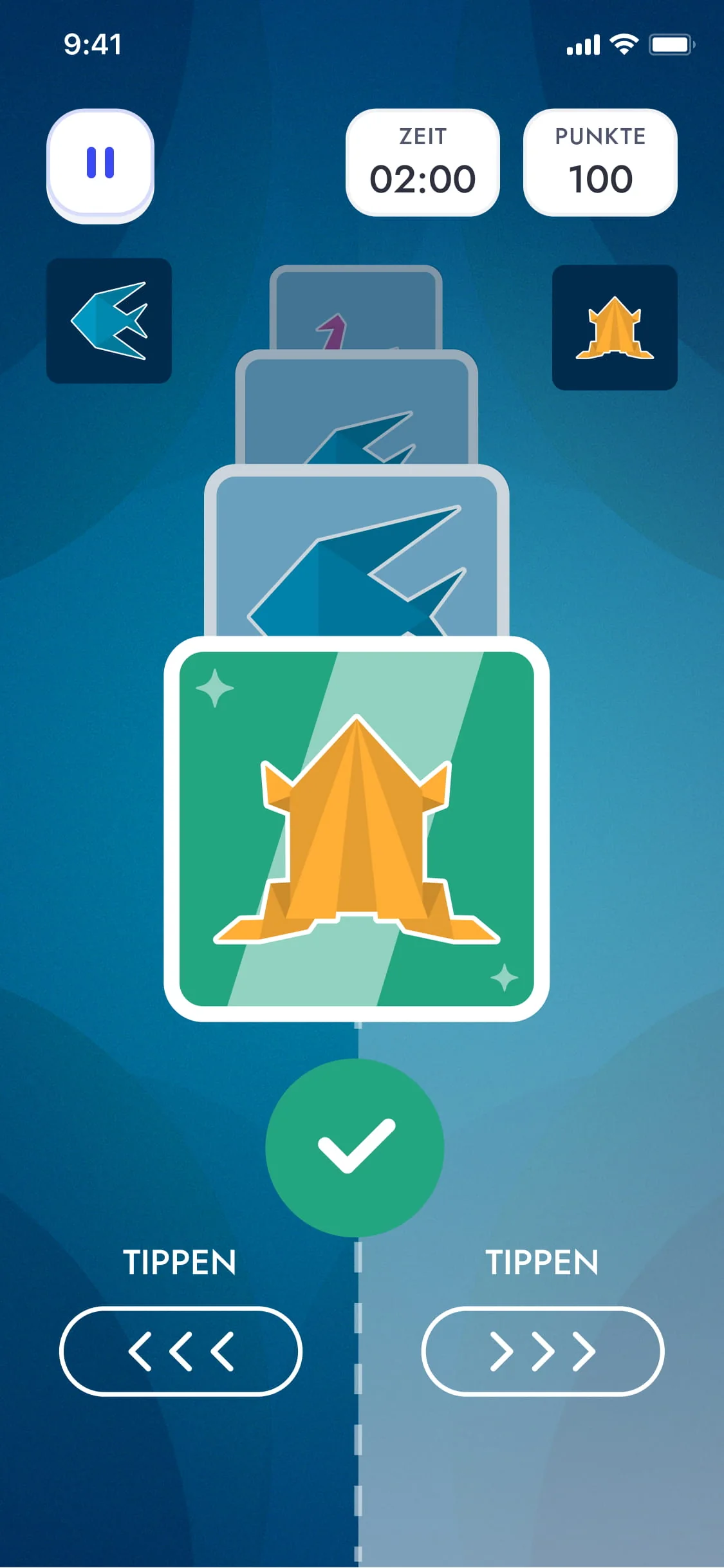
Exercises that call for quick recognition and sorting. You decide how long and how often you practice.
Disease-modifying therapies address the course of MS. For changes in thinking and speech, your care team can also include neuropsychologists, occupational therapists and speech-language pathologists.
If thinking feels slower or words are harder to find, tell your healthcare provider. The National MS Society recommends early screening and a yearly check of cognitive health. Neuropsychologists, occupational therapists and some speech-language pathologists can do a full evaluation.
Speech-language pathologists work on speech, language and thinking. Occupational therapists teach ways to use your energy wisely. Together you decide what to practice at home.
nyra therapy offers speech and cognitive exercises for daily practice, as part of living well with MS. It does not replace your neurologist or your therapists. People using the app complete on average 4+ additional hours of practice per week.
Sources: National Multiple Sclerosis Society, Cognitive Changes and Speech Problems (accessed 2026); NINDS, Multiple Sclerosis (reviewed 2025). Practice hours: Real-world data from Europe.

MS often affects people in the middle of life, with a job, a family and plans. Much of what weighs on them cannot be seen.
Take the invisible seriously.
Fatigue and trouble concentrating are part of the disease. They are not a matter of willpower.
Budget energy.
Plan breaks and put what matters into the time of day that works best.
Stay with it together.
Ask how practice is going and notice the effort. How much to practice is up to the person with MS.
nyra therapy is a subscription. You can try all exercises free for 7 days.
$12.50
per month$149.99 for 12 months
Start free for 7 days$21.66
per month$64.99 for 3 months
Start free for 7 days$24.99
per month
Start free for 7 daysNo. The course of MS is addressed with the disease-modifying therapy your neurologist chooses with you. nyra therapy is not a treatment for MS and does not slow it. It offers exercises for attention, memory, language and speech that you can practice as part of living well with MS.
Tell your healthcare provider if thinking feels slower or words are harder to find. A short screening can lead to a full evaluation by a neuropsychologist, an occupational therapist or a speech-language pathologist. They can show you strategies and agree with you what to practice at home.
During a relapse, medical care comes first. New or worsening symptoms that last at least 24 hours can be a relapse: contact your MS care team. Practice again when you feel able to.
Practice briefly and at a time of day when you have energy. MS fatigue tends to get worse as the day goes on and with heat and humidity. Take breaks and stop before you are worn out. The app keeps track of what you have practiced.
No. nyra therapy does not replace your neuropsychologist, occupational therapist or speech-language pathologist. Use nyra therapy in consultation with your doctor or therapist, and agree together what to practice at home. An evaluation by a neuropsychologist shows which areas are affected.
Yes. You can use it on your own, alongside sessions with your therapist, or share your practice activity with your clinician. A family member can sit with you, help you get started and remind you of your practice times.
On iPhone and iPad with iOS 16 or later and on Android devices with Android 6 or later. Everything is larger on a tablet. You need an internet connection.
nyra therapy is a subscription: $24.99 for 1 month, $64.99 for 3 months or $149.99 for 12 months. You can try all exercises free for 7 days.
Get the app. Download nyra therapy from the App Store or Google Play.
Try it free. Your first 7 days are free. You can cancel at any time.
Start practicing. Choose your goals and begin your first exercises.
Are you a therapist, or do you work in a clinic?