




nyra health
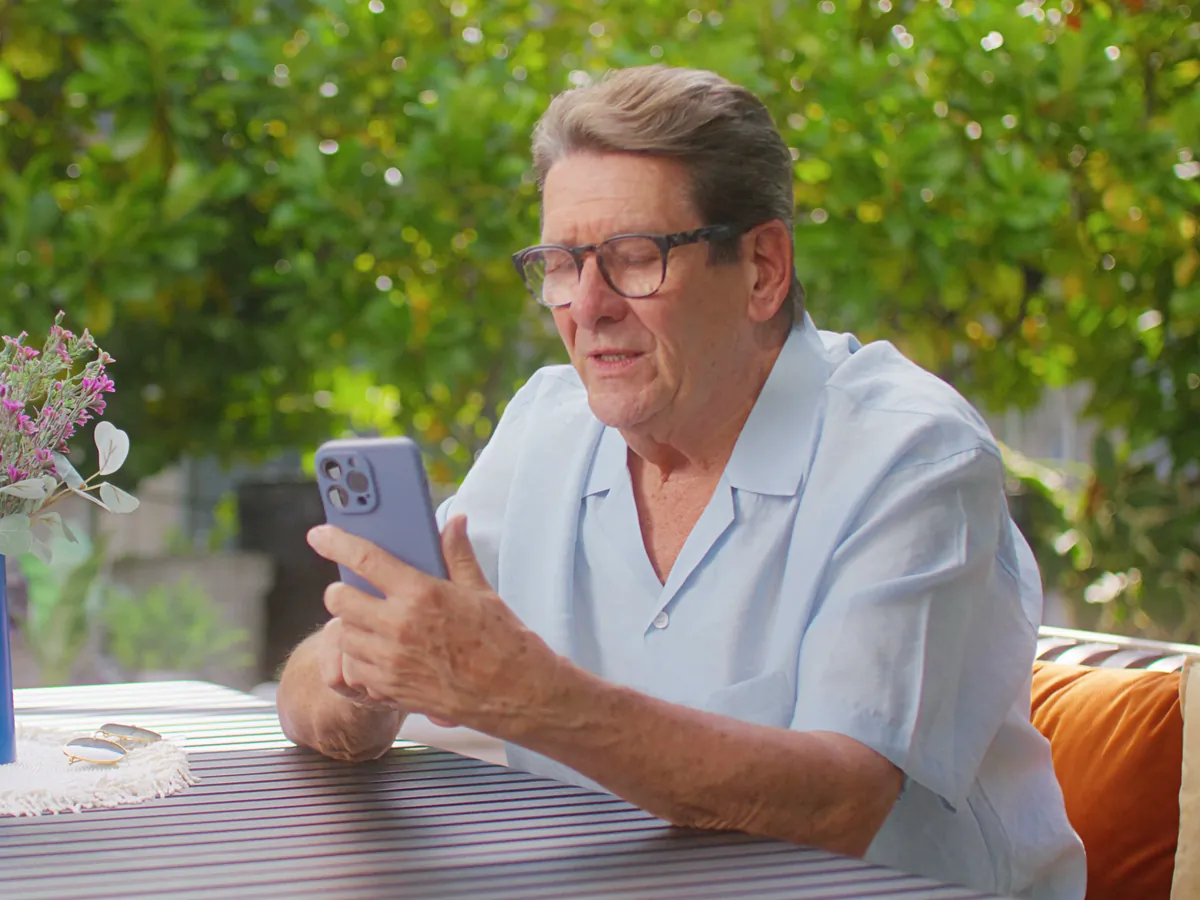
An older man smiles at his dining table as he practices on his phone.

After a stroke: Daily practice, one step at a time.

What happens now, how care continues after the hospital, and speech and cognitive exercises you can practice at home every day.

A stroke changes a great deal. Practicing every day is one of the things you can do yourself.

  • 795,000+

    people in the United States have a stroke each year

  • about 610,000

    of these are first or new strokes

  • about 1 in 3

    stroke survivors have aphasia

Sources: CDC, Stroke Facts (2024). National Heart, Lung, and Blood Institute, Stroke Causes and Risk Factors (2023). National Institute on Deafness and Other Communication Disorders, Aphasia (2025).

What happens in a stroke.

In a stroke, part of the brain suddenly stops getting enough blood. Without oxygen, nerve cells there die. Which abilities become harder afterwards depends on where in the brain this happens and how large the affected area is.

  • about 87%

    Ischemic stroke

    A blood clot or another blockage cuts off blood flow in a vessel of the brain.

  • about 13%

    Hemorrhagic stroke

    A vessel in the brain bursts, and the blood presses on the surrounding tissue.

Which area does what.

Tap an area. The effects of a stroke depend on where it happens and how large the affected area is.

Choose a hemisphere

Controls the right side of the body

Broca's and Wernicke's areas

Language areas

Responsible for

In most people they sit in the left hemisphere: Broca's area in the frontal lobe for speaking, Wernicke's area in the temporal lobe for understanding.

Possible after a stroke

  • Aphasia: finding words, speaking, understanding, reading or writing become hard
  • Thinking usually stays intact. It is the route to language that is disturbed

Simplified view: many abilities come from several areas working together, and every stroke is different.

Sources: Merck Manual Consumer Version, Brain Dysfunction by Location (2025), Coordination Disorders (2026) and Overview of Stroke (2026). National Institute of Neurological Disorders and Stroke, Brain Basics: Know Your Brain (2025). Illustration: Magnific.

The journey after a stroke.

Care starts in the hospital and continues at home. This is the usual path for many people in the United States. How long each phase takes varies a lot.

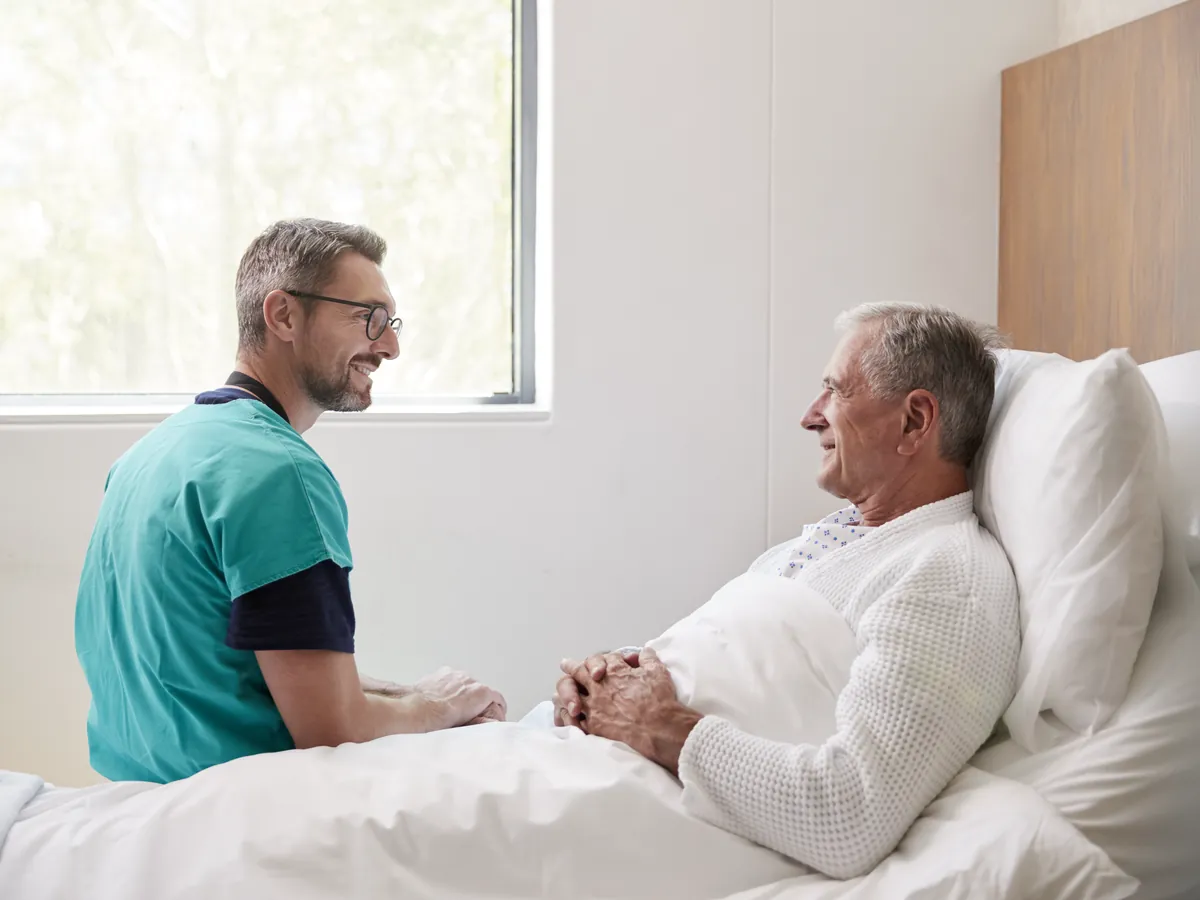
  1. A doctor talks with an older patient in a hospital bed.

    1 · The first days

    Emergency room and stroke unit

    Doctors find out what kind of stroke it is and treat it as fast as possible. In the hospital, often on a stroke unit, you are monitored closely.

    Emergency, neurology and nursing teams
  2. A physical therapist helps an older man walk with a walker.

    2 · Before discharge

    First rehabilitation in the hospital

    Rehabilitation usually starts while you are still in the hospital: therapists work with you on movement, swallowing, speech and thinking. With a social worker or case manager, you and your family decide where care continues.

    Doctors, nurses, therapists, case managers
  3. An older man talks with his therapist in a session, a tablet in his hand.

    3 · Often a few weeks

    Inpatient rehabilitation or skilled nursing

    Some people move to an inpatient rehabilitation facility with an intensive daily program of physical, occupational and speech therapy. Others go to a skilled nursing facility with a less intensive program. Many return home directly.

    The facility's rehabilitation team
  4. A therapist shows an older woman an exercise on a tablet.

    4 · After discharge

    Outpatient therapy and home health

    At home, therapy continues at an outpatient clinic or private practice, or a therapist comes to your home. On the days between appointments, you practice on your own.

    Speech-language pathologists, occupational therapists, physical therapists, neuropsychologistsnyra therapy between sessions
  5. An older man practices with the nyra therapy app on his phone in the garden.

    5 · Months and years

    Life at home

    Recovery from a stroke has no set endpoint and can continue for months or years. Many people take on everyday tasks again step by step and, where possible, return to work. Follow-up visits with your doctor and therapists continue.

    You, your family, your care teamnyra therapy at home
After discharge there are fewer appointments and more time at home. That is when a daily practice routine can find its place.

What can be hard now.

Not every effect of a stroke is visible. Many people struggle with things others hardly notice. These are common ones, each with the exercises nyra therapy offers for daily practice.

  • An older man talks with his therapist.

    Language

    For daily practice when living with aphasia or speech difficulties:

    • Finding words
    • Understanding
    • Reading
    • Writing
    • Speaking clearly
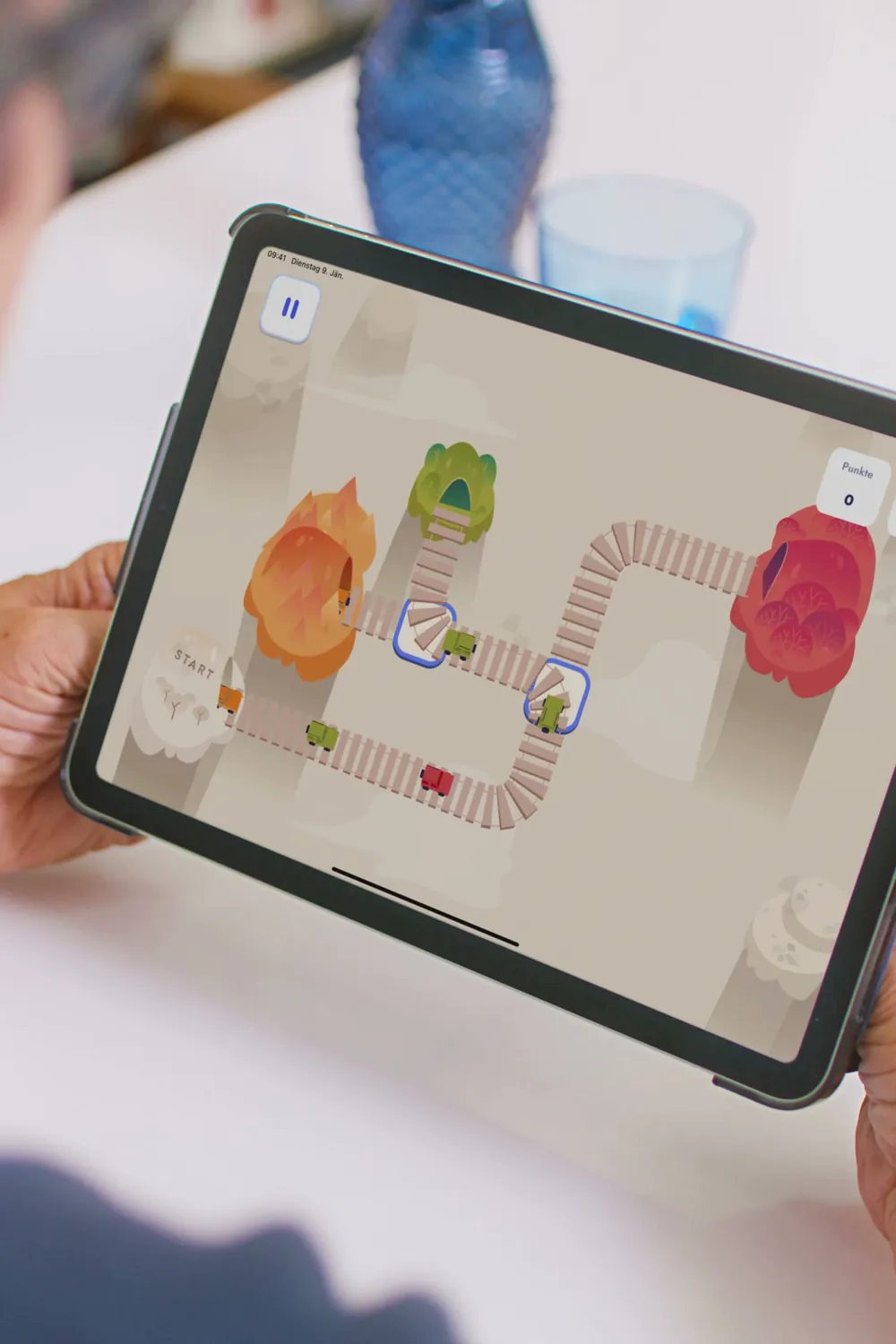
  • An older man works on an exercise on a tablet.

    Memory and concentration

    For daily practice when remembering and staying focused are hard:

    • Attention
    • Staying focused
    • Remembering new things
    • Keeping a shopping list in mind
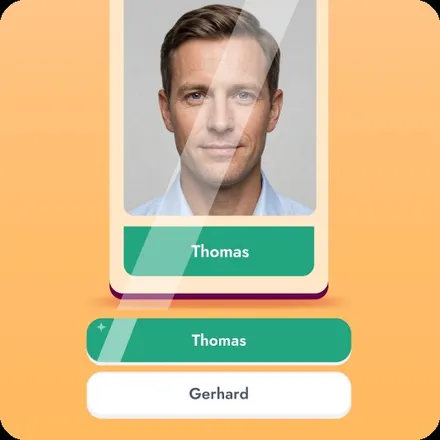
    • Recognizing faces
  • An older man writes at his kitchen table.

    Planning and orientation

    For daily practice around everyday routines:

    • Putting steps in order
    • Solving problems
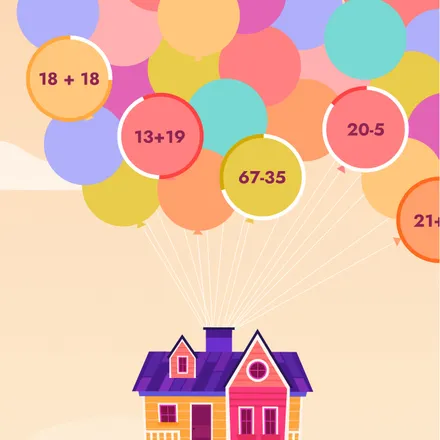
    • Arithmetic
    • Searching and finding
    • Keeping both sides in view

Each effect in detail

  • Finding and understanding wordsAphasia

    The right word is on the tip of your tongue, conversations become tiring, reading and writing are hard.

    Why
    The language centers usually sit in the left half of the brain. If that area is affected, language is disturbed, while thinking usually stays intact.
    Who to see
    Speech-language pathologist

    Practice with nyra therapy

    Exercises for naming, understanding, reading and writing with pictures and everyday topics, with feedback on each answer.

  • Speaking clearlyDysarthria and apraxia of speech

    Speech sounds slurred, or the mouth cannot find the movement for a word.

    Why
    The control of the speech muscles or the planning of speech movements is disturbed.
    Who to see
    Speech-language pathologist

    Practice with nyra therapy

    Say words and sentences out loud and get real-time feedback on your speech exercises.

  • Staying focusedAttention

    Concentration fades after a short time. Doing several things at once is hardly possible.

    Why
    After a stroke the brain needs more effort to filter stimuli and stay with one thing.
    Who to see
    Neuropsychologist, occupational therapist

    Practice with nyra therapy

    Short attention exercises of different lengths and levels that fit into any day.

  • RememberingMemory

    Appointments, names or what was just said are quickly gone.

    Why
    The networks that store new things and recall them are affected.
    Who to see
    Neuropsychologist

    Practice with nyra therapy

    Memory exercises from everyday life, from the shopping list to faces.

  • Planning and doingExecutive functions

    Everyday routines like cooking or paying a bill are hard, because the steps get mixed up.

    Why
    The frontal lobe controls planning, order and checking of actions.
    Who to see
    Occupational therapist, neuropsychologist

    Practice with nyra therapy

    Exercises where you put steps in the right order and work through problems step by step.

  • Perceiving and finding your wayPerception

    Objects are hard to recognize, or one side of the room is overlooked.

    Why
    Especially after damage to the right half of the brain, attention to one side can be lost.
    Who to see
    Neuropsychologist, occupational therapist

    Practice with nyra therapy

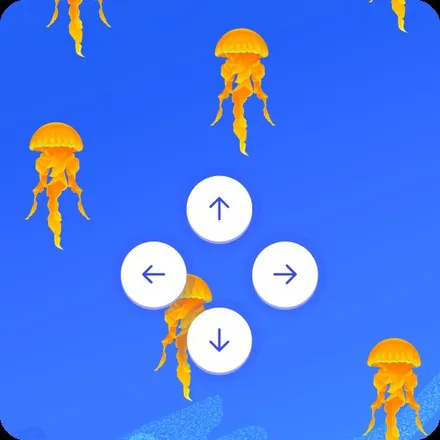
    Search and perception exercises that lead the eye across the whole screen.

Body and feelings change too. Paralysis, fatigue and low mood are common after a stroke. nyra therapy offers speech and cognitive exercises only. For movement, fatigue and mood, talk to your doctor, a physical therapist or a mental health professional. Speak openly about changes.

Practice that fits into every day.

  1. 1

    Short sessions, at your own pace.

    The exercises are made for individual use at home. You can practice anytime and anywhere, for a few minutes or for longer.

  2. 2

    Exercises based on your needs.

    nyra therapy recommends exercises based on your personal needs and gives real-time feedback on speech exercises. You or your therapist can change the plan at any time.

  3. 3

    Practice between appointments.

    Outpatient therapy takes place on some days of the week. With nyra therapy you can practice on the days in between, as often as feels right.

An example week at home

  • Mon
  • Tue
  • Wed
  • Thu
  • Fri
  • Sat
  • Sun
Therapy appointmentPractice with nyra therapy
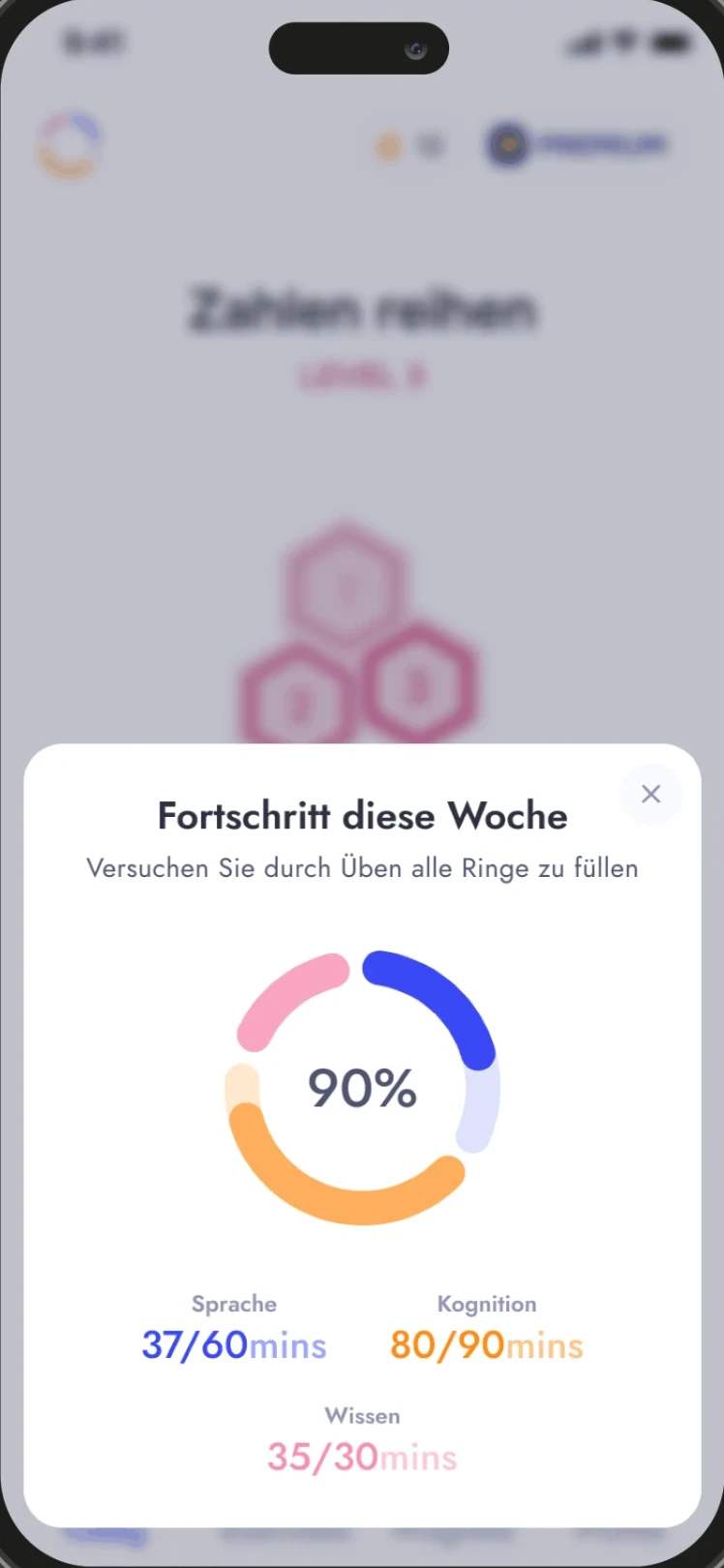
4+ hPeople using the app complete on average 4+ additional hours of practice per week.

Real-world data from Europe.

How nyra therapy works

See how nyra therapy guides you step by step, with exercises based on your personal needs and goals.

1

Set your goals.

At the start, nyra therapy asks about your personal needs and goals. From your answers, it recommends exercises for your weekly plan. You can change the plan at any time.

Back0/3

What do you want to practice? Pick 3 or more.
  • Speaking loud & clear
  • Finding words
  • Talking freely & telling stories
  • Reading & writing
  • Staying alert & focused
  • Remembering & retaining
  • Planning & organizing everyday life
  • Understanding connections
Continue
Back

  • Speaking loud & clear+5 exercisesPronunciation · Speaking
  • Finding words+6 exercisesWord finding · Speaking
  • Staying alert & focused+5 exercisesAttention · Perception
Create my plan
2

Practice speaking.
With real-time feedback.

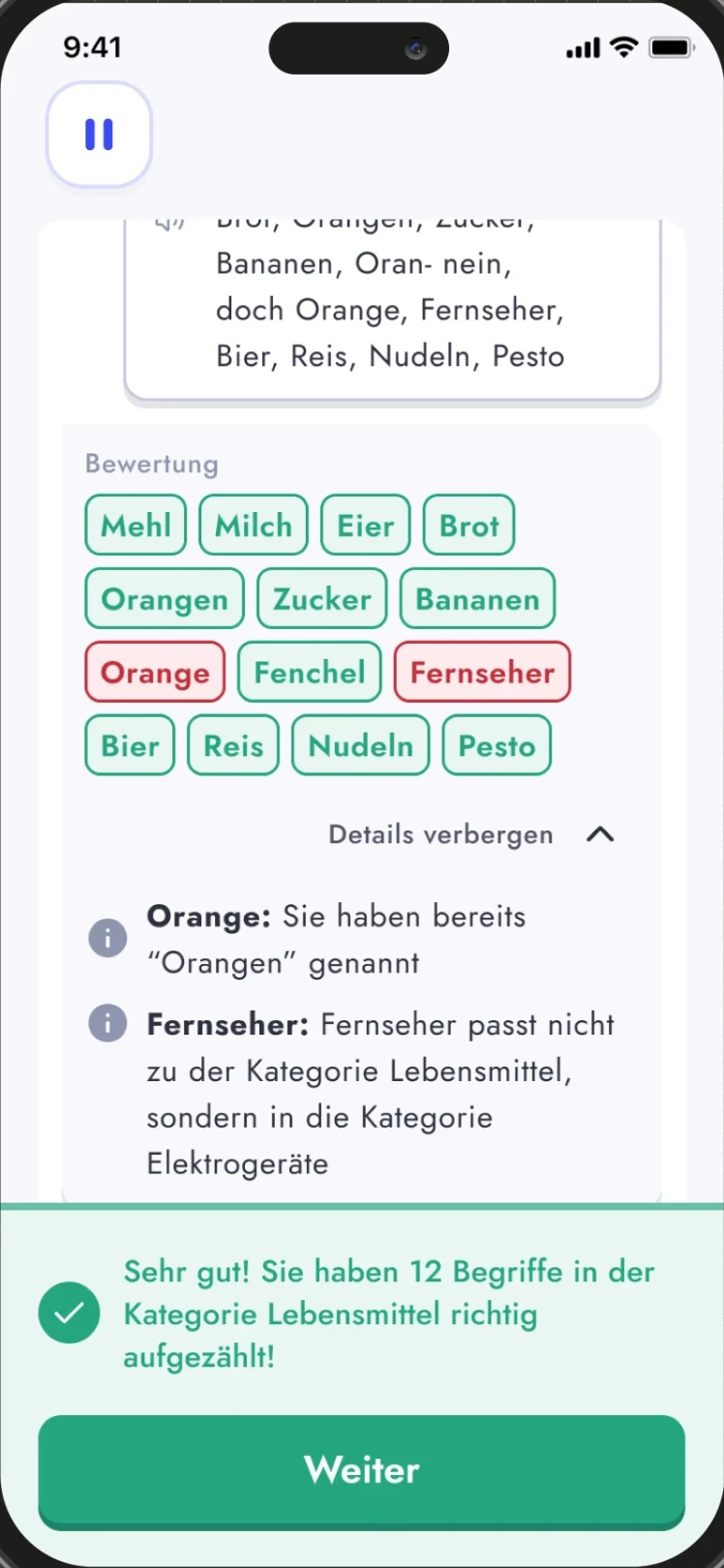
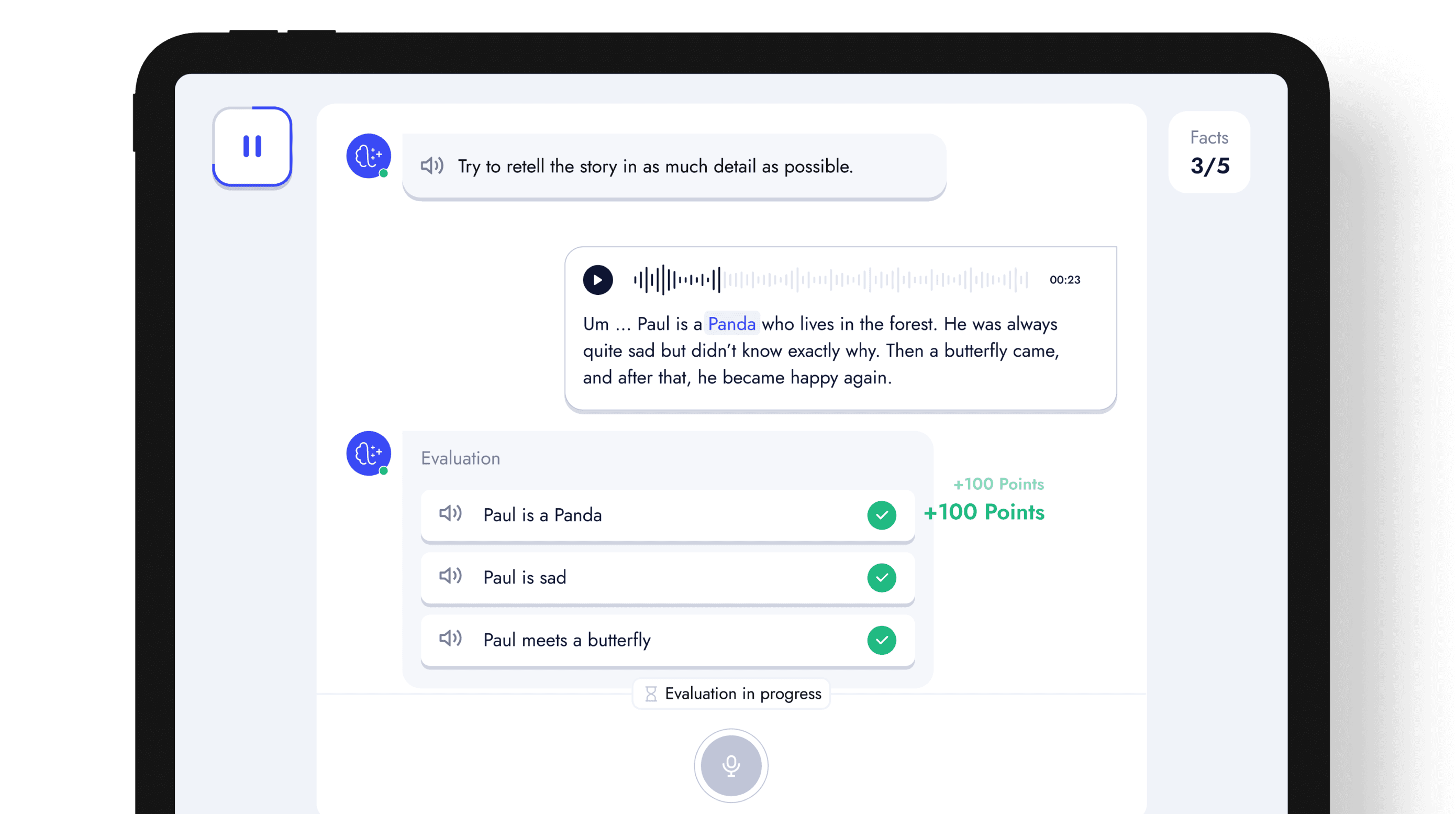
Find words, form sentences and practice conversations: with interactive speech exercises you can practice easily from home. nyra therapy listens and gives you real-time feedback.

nyra therapy on a tablet: a story is retold aloud, and the app checks which facts were mentioned.
3

Practice memory, attention and much more.

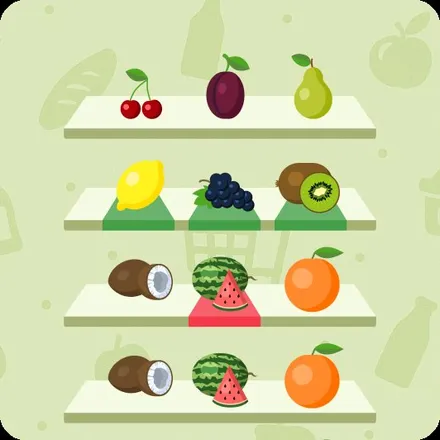
Memory, numbers or attention: discover more than 100,000 varied exercises that you can practice at your own pace.

All the steps in detail

For family and caregivers.

You can make a big difference: setting up the app, practicing together and being patient on slower days. Small moments of success keep you both going.

Guide for family and caregivers
A young woman helps her father practice on a tablet.

What stands behind it

Built on established, evidence-based therapy approaches.

The exercises follow approaches that speech-language pathologists and neuropsychologists use every day. nyra therapy makes them available for practice at home.

  • Designed by clinicians and scientists

    to support daily speech and cognitive practice.

  • 4+ additional hours of practice per week

    is what people using the app complete on average. Real-world data from Europe.

  • Used in more than 100 clinics in Europe

    in sessions, in groups and for practice at home.

Use nyra therapy in consultation with your doctor or therapist. Our research

What nyra therapy costs.

nyra therapy is a subscription. You can try all exercises free for 7 days.

Every plan includes

  • More than 100,000 exercises
  • Real-time feedback for speech exercises
  • A weekly plan you can change at any time
  • 7-day free trial, cancel anytime

Questions about stroke.

Start practicing with nyra therapy.

  1. 1

    Get the app. Download nyra therapy from the App Store or Google Play.

  2. 2

    Try it free. Your first 7 days are free. You can cancel at any time.

  3. 3

    Start practicing. Choose your goals and begin your first exercises.

Get the app

Are you a therapist, or do you work in a clinic?