12 months
Most popular$12.50
per month$149.99 for 12 months
Start free for 7 days

What happens in the brain in a traumatic brain injury, what the months and years after it can look like, and how you can practice attention, memory and language exercises every day with nyra therapy.
A traumatic brain injury often changes what cannot be seen from the outside: attention, memory, stamina. Regular practice can be part of living well after the injury.
about 214,000
TBI-related hospitalizations in the United States in 2020
Most
traumatic brain injuries each year are mild TBIs or concussions
6 months
is when the fastest improvement often happens after a moderate to severe injury
Sources: Centers for Disease Control and Prevention (CDC), TBI Data (2026) and About Mild TBI and Concussion (2025). Model Systems Knowledge Translation Center (MSKTC), Understanding TBI: The Recovery Process (accessed 2026).
Falls are the most common cause. Being struck by an object and motor vehicle crashes follow. The brain is often injured not only where the head was hit.
The head is stopped abruptly, here in a fall onto the back of the head. The brain strikes the inside of the skull.
It floats in fluid. In a hard blow it moves inside the skull and strikes the bone.
The long connections between brain regions can be stretched or torn. That slows attention and thinking, even when little shows on a CT scan.
That is where planning, attention, memory and the control of behavior are organized. So these are the abilities that often change.
Simplified view. Sources: National Institute of Neurological Disorders and Stroke (NINDS), Traumatic Brain Injury (reviewed 2026); MSKTC, Understanding TBI (accessed 2026).
Doctors grade a traumatic brain injury by the level of consciousness, measured with the Glasgow Coma Scale. The grade describes the first period after the injury. It does not say everything about the effects.
Most traumatic brain injuries each year are mild.
Symptoms usually get better over time, and most people feel better within a couple of weeks. If symptoms do not go away within two to three weeks, or get worse, talk with your healthcare provider.
What helps now
Rest in the first few days. Then ease back into your regular activities step by step, and cut back if symptoms get worse. Limit screen time before bed.
Sources: Brain Injury Association of America, Glasgow Coma Scale (accessed 2026); CDC, Symptoms of Mild TBI and Concussion and What to Do After a Mild TBI or Concussion (2025); NINDS, Traumatic Brain Injury (reviewed 2026); MSKTC, Understanding TBI (accessed 2026).
After an injury the brain can form new connections. The fastest improvement often comes in the first six months, and people may keep gaining function for years.
Schematic view. How fast and how far recovery goes differs from person to person.
In the brain
The swelling goes down, and blood flow and brain chemistry settle. Brain function usually gets better with them.
Care
After a moderate or severe injury, often a rehabilitation center with a team of physicians, neuropsychologists, speech-language pathologists, occupational therapists and physical therapists.
What helps now
Follow the program your rehabilitation team sets up with you, and practice what they give you.
Sources: MSKTC, Understanding TBI: The Recovery Process (accessed 2026); NINDS, Traumatic Brain Injury (reviewed 2026); Brain Injury Association of America, Traumatic Brain Injury (accessed 2026).
nyra therapy is an app with more than 100,000 exercises for speech, language, memory, attention and everyday skills. You practice at home whenever it suits you, with exercise recommendations based on your personal needs.
Noise, group conversations or doing two things at once quickly become too much. Concentration fades sooner.
How you practice with nyra therapy
Exercises that call for quick recognition and sorting. You decide how long and how often you practice.
New things stick less well: plans, appointments or what was just said.
How you practice with nyra therapy
Memory exercises in small steps: take in, hold, repeat.
Structuring the day, getting started, staying with it: what used to happen on the side now takes effort.
How you practice with nyra therapy
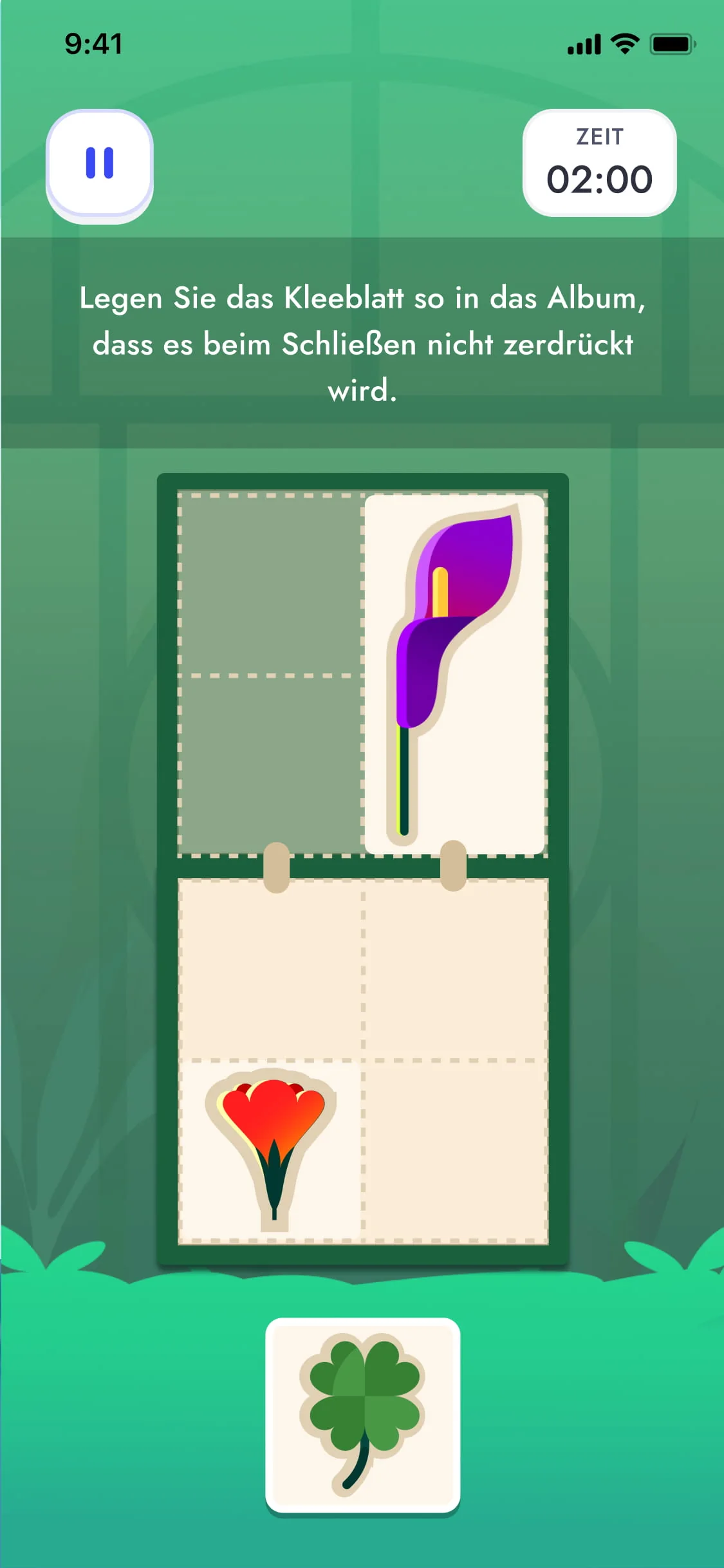
Exercises that call for thinking ahead: first consider, then act.
The right word is missing, and longer conversations are harder to follow.
How you practice with nyra therapy
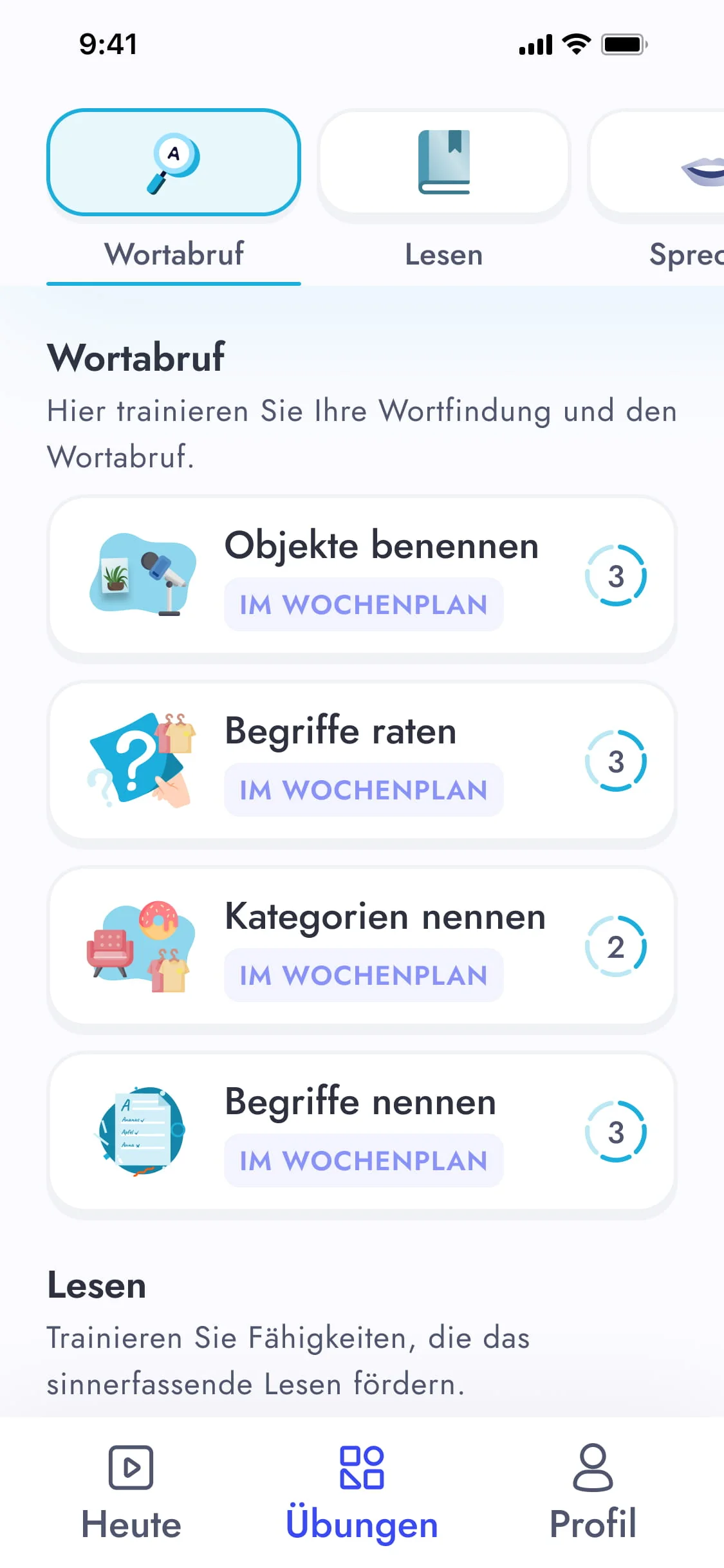
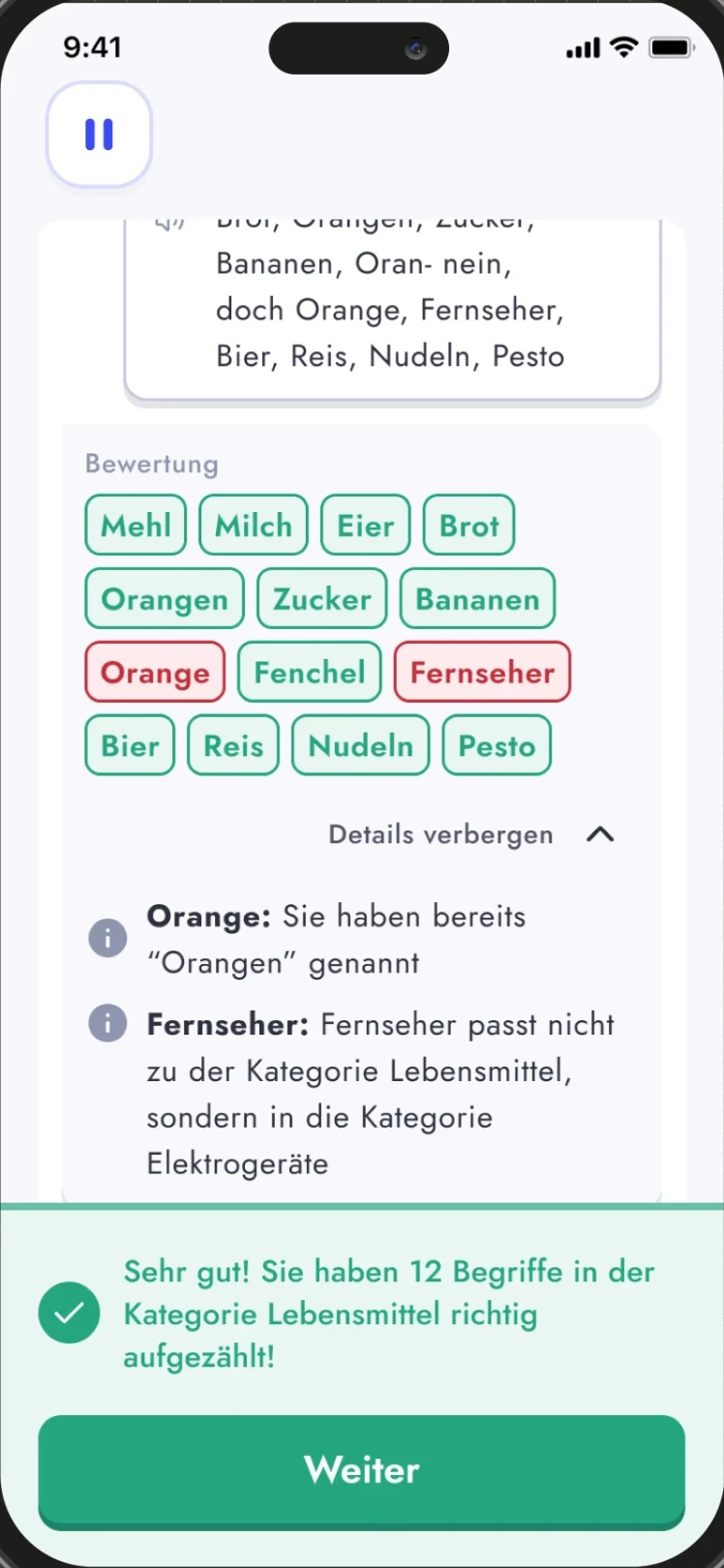
Naming objects, guessing words, listing categories: you answer out loud, and nyra therapy recognizes what you say.
After a severe injury, speech can be slurred or slowed.
How you practice with nyra therapy
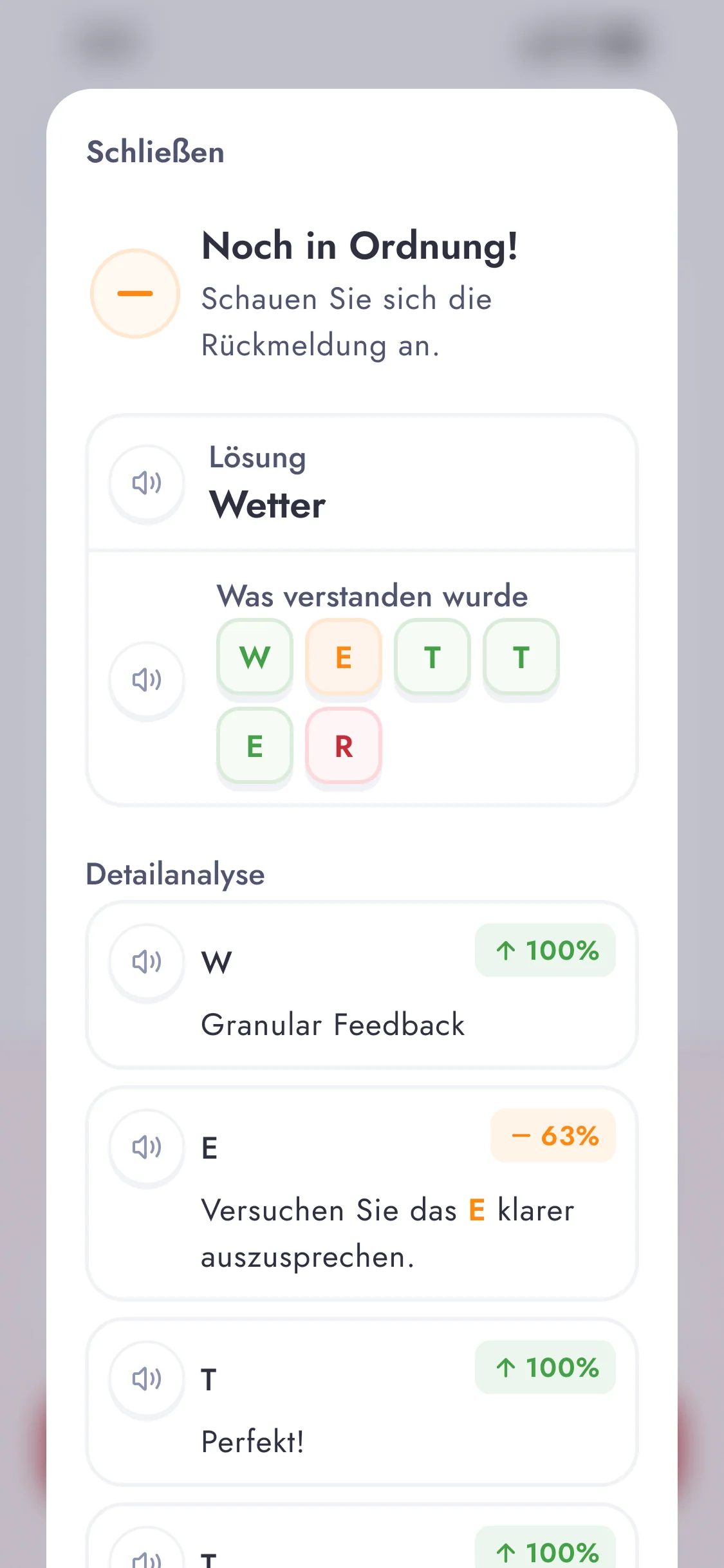
You say words and sentences aloud. nyra therapy listens and gives you real-time feedback, sound by sound.
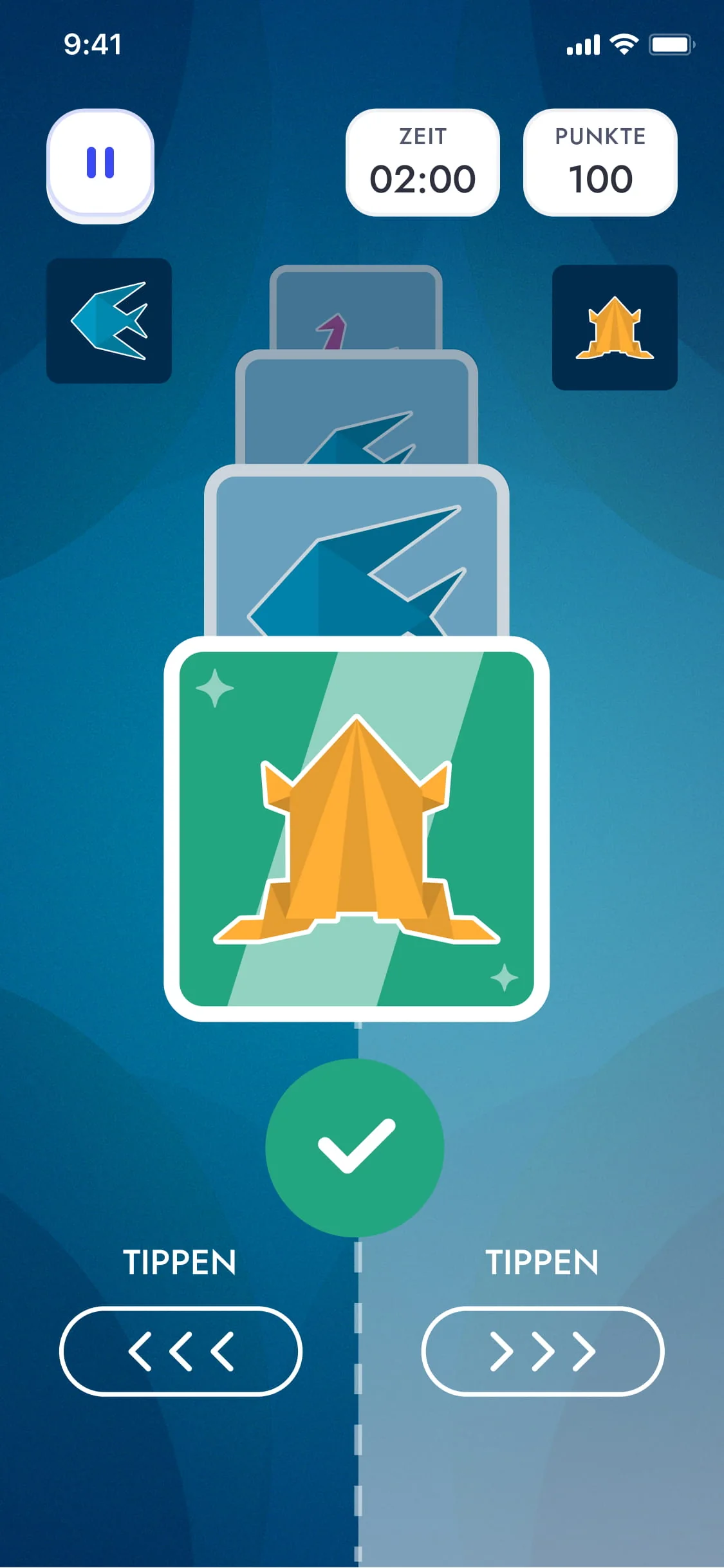
Speed and concentration
Noise, group conversations or doing two things at once quickly become too much. Concentration fades sooner.
How you practice with nyra therapy
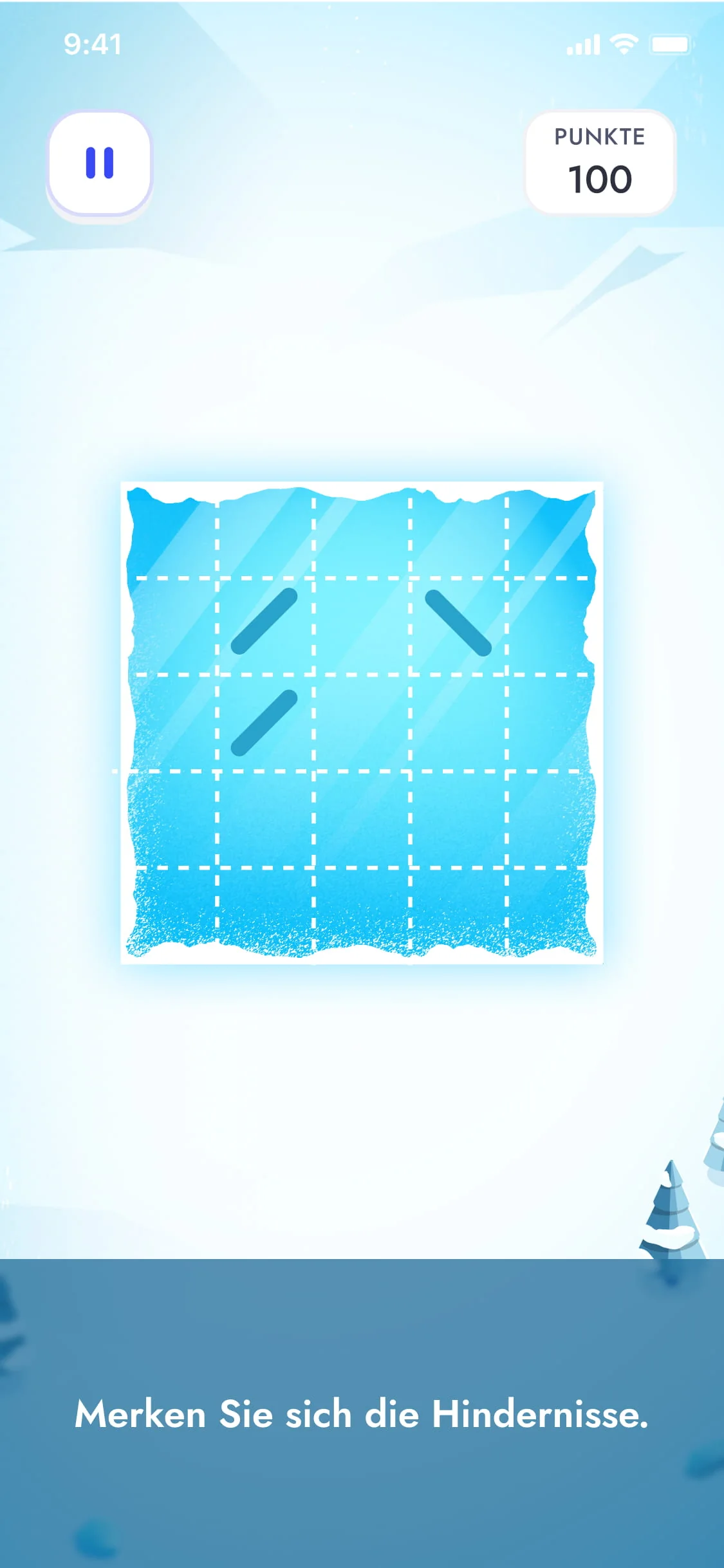
Exercises that call for quick recognition and sorting. You decide how long and how often you practice.
After a brain injury, rehabilitation is led by a team. Cognitive rehabilitation with neuropsychologists, speech-language pathologists and occupational therapists is part of it.
After a moderate or severe injury, a team works with you. It can include physicians, neuropsychologists, speech-language pathologists, occupational therapists and physical therapists.
In cognitive rehabilitation, therapists set up an individual program with you. You also learn strategies for memory, problem solving and thinking in everyday life, such as calendars, alarms and to-do lists.
nyra therapy offers speech and cognitive exercises for daily practice at home. It does not replace your rehabilitation team. Use nyra therapy in consultation with your doctor or therapist. People using the app complete on average 4+ additional hours of practice per week.
Sources: NINDS, Traumatic Brain Injury (reviewed 2026); American Speech-Language-Hearing Association, consumer information on traumatic brain injury (reviewed 2026). Practice hours: Real-world data from Europe.

After a traumatic brain injury, more often changes than can be seen. Family members are usually the first to notice.
Put changes in context.
Irritability, low drive or forgetfulness can be effects of the injury. They are not intentional.
Limit distractions.
A quiet setting, one thing at a time and fixed routines take pressure off attention and memory.
Look after yourself.
Caring for someone takes strength. Get support for yourself, for example from a support group or from the Brain Injury Association of America's information line at 1-800-444-6443.
nyra therapy is a subscription. You can try all exercises free for 7 days.
$12.50
per month$149.99 for 12 months
Start free for 7 days$21.66
per month$64.99 for 3 months
Start free for 7 days$24.99
per month
Start free for 7 daysIt differs from person to person. Often the fastest improvement comes in the first six months after a moderate to severe injury. After that it slows down, but people may keep gaining function for years. Your care team can tell you what to expect in your case.
No. In the first few days the brain needs rest, and after that you ease back into your regular activities step by step. Most people with a mild TBI or concussion feel better within a couple of weeks. nyra therapy is not meant for a concussion that clears up on its own. It is designed to support daily practice for people living with the longer-term effects of a brain injury.
Practice briefly, take breaks and stop when symptoms increase. Several short sessions are easier to manage than one long one. If headaches, dizziness or tiredness clearly increase, talk with your doctor.
If the injury was only a short time ago, if symptoms are getting worse or if you have had seizures since the injury. A headache that gets worse and does not go away, repeated vomiting, unusual drowsiness, slurred speech, weakness or confusion after a head injury are danger signs: call 911 or go to an emergency department right away.
No. nyra therapy does not replace your neuropsychologist, speech-language pathologist or occupational therapist. Agree with your therapist what you practice at home and how you carry it over into everyday life.
Yes. You can use it on your own, alongside sessions with your therapist, or share your practice activity with your clinician. A family member can sit with you, help you get started and remind you of your practice times.
On iPhone and iPad with iOS 16 or later and on Android devices with Android 6 or later. Everything is larger on a tablet. You need an internet connection.
nyra therapy is a subscription: $24.99 for 1 month, $64.99 for 3 months or $149.99 for 12 months. You can try all exercises free for 7 days.
Get the app. Download nyra therapy from the App Store or Google Play.
Try it free. Your first 7 days are free. You can cancel at any time.
Start practicing. Choose your goals and begin your first exercises.
Are you a therapist, or do you work in a clinic?